Obsession
Obsession Is it worth it?
Obsession Review: Curry Barker’s Debut Is Unlike Any Horror Film You Have Seen This Year
Every few years a horror film comes along that makes you question everything you thought you knew about the genre. Curry Barker’s Obsession is that film for 2026. Written, directed, and edited entirely by Barker, a 26-year-old YouTube sketch comedian making his feature debut, it opened in US theaters on May 15, 2026 and has already earned a 96 percent score on Rotten Tomatoes alongside near-universal audience approval. It is not your typical horror film, and it is certainly not your typical obsession story. It brings something genuinely new to the table, and that is a rare thing to be able to say.
What Is Obsession?
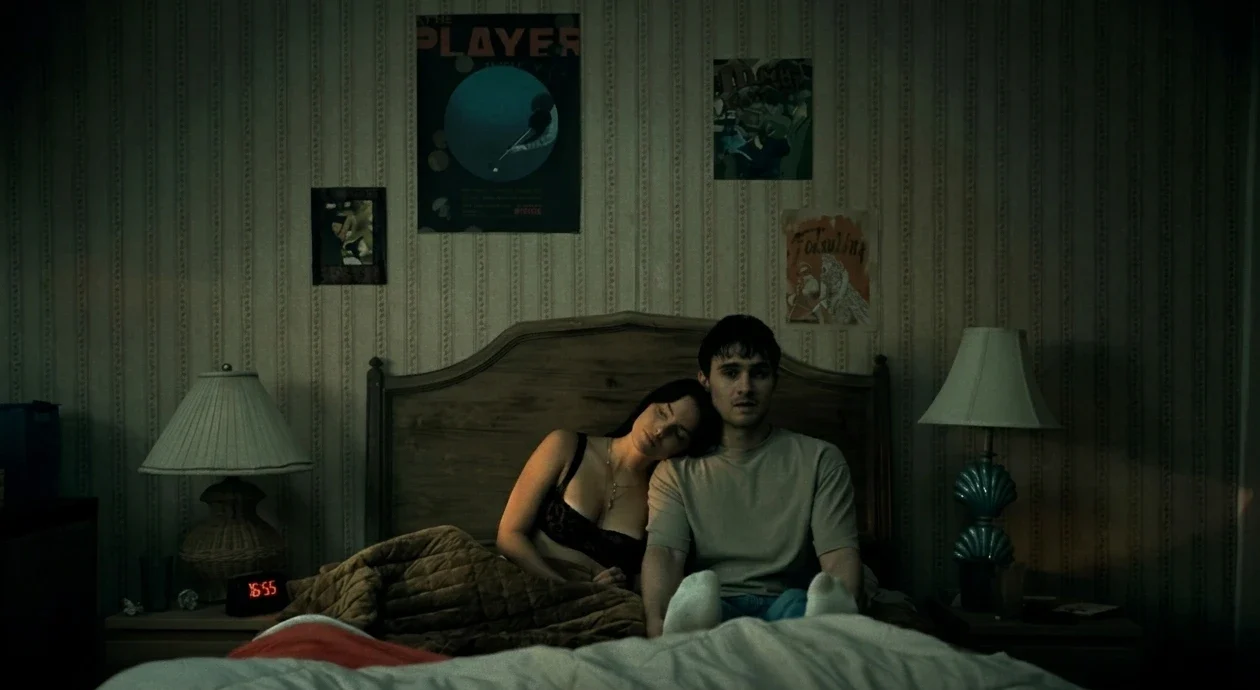
The setup is deceptively simple. Bear, played by Michael Johnston, is a shy music store employee who has spent years quietly in love with his childhood best friend Nikki, played by Inde Navarrette. Rather than tell her how he feels, he wanders into a novelty shop and breaks a kitschy antique toy called the One Wish Willow, wishing for Nikki to fall in love with him. The wish works. Then things get very dark, very fast.
What Barker does with that premise is the entire point. The film is not a straightforward story about a cursed object or a supernatural punishment for bad behavior. It is a precise, uncomfortable look at what “getting what you want” actually costs, both the person who made the wish and the person on the receiving end of it. Barker made the film on a budget of just under one million dollars, and it went to bidding war at TIFF, with Focus Features beating out Neon and A24 to acquire it for around fifteen million dollars. That number tells you everything about the room’s reaction when it screened.
The Experience
Obsession moves fast. Barker does not waste screen time, and the pacing reflects someone who spent years making tightly edited short-form content before stepping into features. The film establishes its characters quickly and efficiently, and by the time the horror begins, you are already invested enough in both Bear and Nikki to feel genuinely unsettled by what happens to each of them.
What sets this apart from the crowded field of “be careful what you wish for” horror is how evenly Barker distributes the moral weight. Bear is not a villain in the traditional sense. He is weak, wishful, and makes a genuinely terrible decision, but Barker almost seems to be asking the audience how many people in the theater might have done the same thing. Men and women in the audience will experience different kinds of dread when they sit with that question. That dual perspective is what keeps Obsession working long after the credits roll.
Inde Navarrette’s performance as Nikki is the engine the film runs on. Critics across the board have singled her out, and the praise is warranted. She brings physical and vocal control to the role that the film would fall apart without. Johnston holds his own, delivering a performance that asks the audience to track a character who is doing everything wrong while never fully losing their empathy for him.
What Works
The premise feels fresh because Barker is not interested in a simple morality tale. He is interested in people, specifically in the uncomfortable spaces between what people want, what they do to get it, and what they are willing to live with afterward. That psychological layer lifts Obsession well above the level of most supernatural horror films. The direction is confident and controlled throughout, with a clear sense of tone that never lets the dark comedy elements undercut the genuine dread. The film earned its R rating and then some, reportedly trimming several head-smashing beats that originally pushed it toward NC-17 territory. What remains is still, in Barker’s own words, genuinely hardcore. It earns every moment of its intensity.
The production value punches far above its budget. At one million dollars, Obsession looks and feels like a film that cost many times more. That is a credit to cinematographer Taylor Clemons and to Barker’s instincts as an editor, shaping a film that has no wasted frames and no loose ends.
What Doesn’t
The film’s pacing in the second act tightens to the point where a few character beats get compressed in ways that might leave some viewers wanting more time with the consequences before things escalate again. It is a minor friction point in an otherwise well-constructed film, and it is the kind of issue that tends to smooth out on a second viewing when you know where everything is going. Viewers who prefer slower-burn psychological horror over visceral supernatural escalation may also find the back half more aggressive than they expected. That is not a flaw so much as a fair warning about what kind of film this actually is.
Verdict
Obsession is the real thing. Curry Barker arrived in theaters as a fully formed filmmaker on his first try, and the film he made is one of the most original and confident horror debuts in years. It is not a standard genre exercise, it is not a jump-scare machine, and it is not comfortable viewing. It is a film that stays with you, asks difficult questions, and delivers genuine dread alongside moments of dark, uncomfortable humor. Go see it in theaters while you can. This one is worth the full experience.
✅ What Works
- Barker arrived as a fully formed filmmaker — masterful craft on a $1M budget
- Navarrette is the engine the film runs on — performance the film would collapse without
- Moral weight split evenly between Bear and Nikki — asks questions that linger for days
❌ What Doesn’t
- Second act compresses too fast — a few character beats need more room to breathe
- Back half turns visceral quickly — fair warning for viewers expecting slower-burn horror